




NEWS
IAHF Members and Alliances 

InterAmerican Heart Foundation April 2026
Addressing fiscal policies and the illicit trade of tobacco in Peru
In-Person Forums: Sustainable Fiscal Policies and the Protocol to Eliminate the Illicit Trade in Tobacco Products in Peru
More news in brief
Upcoming events
Versión español

Fundación InterAmericana del Corazón marzo 2026
Abordando políticas fiscales y el comercio ilícito del tabaco en Perú
Foros presenciales: Políticas Fiscales Sustentables y Protocolo para la Eliminación del Comercio Ilícito de Tabaco en Perú
Impuestos a las bebidas azucaradas en Jamaica
Fórmula 1: sin tabaco y nicotina
Alimentación en las escuelas
InterAmerican Heart Foundation Newsletter November 2025
Eleventh session of the Conference of the Parties (COP11) to the WHO Framework Convention on Tobacco Control (FCTC) Fourth session of the Meeting of the Parties (MOP4) to the Protocol to Eliminate Illicit Trade in Tobacco Products Versión español
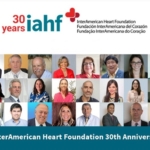
InterAmerican Heart Foundation Newsletter September 2025
IAHF 30th Anniversary – Add Your Comments Global Week for Action on NCDs World Heart Day 2025 Meetings at AHA Scientific Sessions Versión español
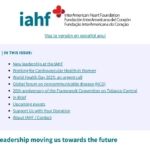
InterAmerican Heart Foundation Newsletter May 2025
New leadership at the IAHF Working for Cardiovascular Health in Women World Health Day 2025: an urgent call Global forum on noncommunicable disease (NCD) 20th anniversary of the Framework Convention on Tobacco Control Versión español
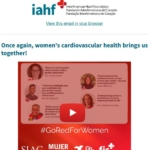
InterAmerican Heart Foundation Newsletter March 2025
Go Red for Women Women’s Cardiovascular Health Campaign from Barbados Campaign from Venezuela Versión español
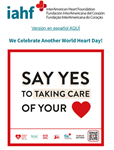
InterAmerican Heart Foundation November 2024
Say yes to taking care of your heart Heart health and the health of the planet World Heart Day from members and allies Versión español
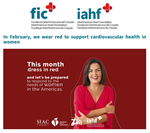
InterAmerican Heart Foundation March 2024
Cardiovascular health in women Clinical practice guidelines from SIAC Adverse Pregnancy Outcomes and Cardiovascular Disease Risk from the AHA Versión español
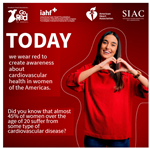
InterAmerican Heart Foundation February 2024
Go Red for Women G: Get Your Numbers Checked O: Organize Your Lifestyle R: Recognize Your Risk E: Educate Your Family D: Declare It To Everyone Versión español

InterAmerican Heart Foundation Newsletter December 2023
IAHF New Board Members Tobacco Control in Bolivia Addressing CVD in Women Patient Forum in Venezuela Mexico: Certification of Stroke Centers Versión español

InterAmerican Heart Foundation Newsletter June 2023
Brazilian Nutritional Labeling Regulation Healthier School Meals in Jamaica Changing the Prespective about Obesity World Heart Summit 2023 The Importance of Sleeping Well Versión español

InterAmerican Heart Foundation Newsletter September 2022
Elimination of Illicit Trade in Tobacco Products in Paraguay Influence of social networks on promotion and sale of tobacco products E-cigarettes: Health effects on young people September 29th: World Heart Day World Congress of Cardiology 2022 Versión español

InterAmerican Heart Foundation Newsletter June 2022
Message from the Executive Director World No Tobacco Day Public Policies on Food Environments Mammograms and Early Detection of CVD Versión español
Want to receive the IAHF newsletter? Sign up HERE.
FOLLOW US


